
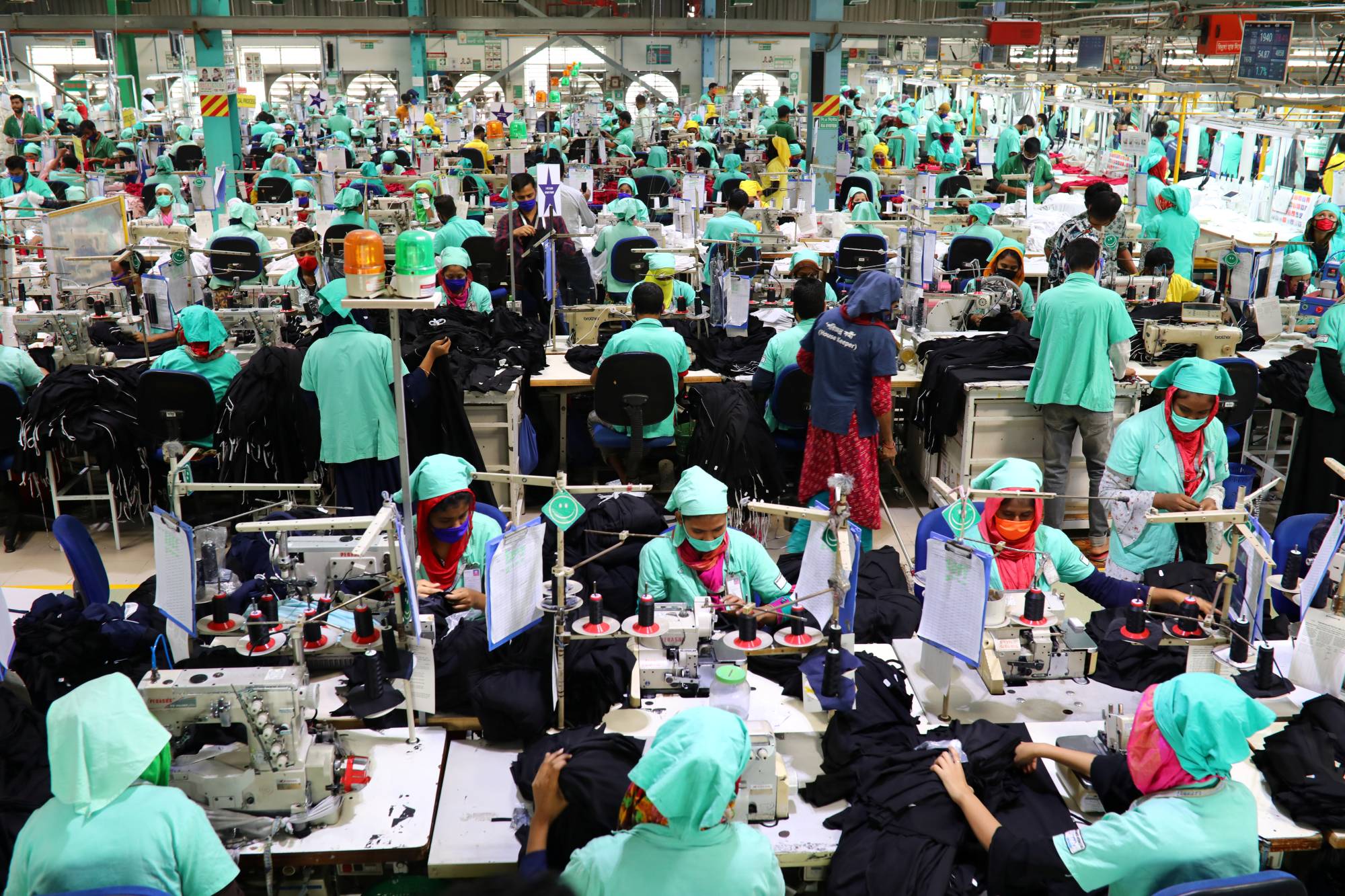
How it works
From your idea to global markets
An inside look at how apparel sourcing in Bangladesh connects with development, commercial approvals, manufacturing, quality and export coordination for buyers worldwide.
- Define
- Develop
- Produce
- Export
Eight stages, one connected picture
Select a stage to see what it covers, which details matter and the expected outcome. Real projects may follow a different order depending on the transaction.
Stage 1 of 8: Buyer brief
Product and buyer requirements
We begin with your product vision, specifications, quantities, price expectations, destination market, timeline and any required standards.
Key considerations
- Tech pack or reference sample
- Target quantity and price
- Destination market
- Buyer-specific requirements
Outcome
A clear project brief
The exact activities and approvals depend on your product, order and agreed responsibilities.
Want the process mapped to your own product? We can start with your requirements and identify the relevant next steps.
Talk about your requirementsProduction is one part. Export readiness is another.
Successful cross-border sourcing also depends on the correct commercial structure, documentation and regulatory responsibilities. These considerations vary by transaction.
Exporter status
The exporting party needs registrations and authorizations applicable to its activities.
Customs procedures
Declarations, document checks and applicable regulatory controls depend on the shipment.
Banking and payment
Required records vary by payment method, transaction structure and applicable rules.
Destination market
Import, labeling, testing and other buyer or market requirements differ by country and product.
The details behind every shipment
Documents are not one-size-fits-all. The required set depends on the exporter, product, buyer, destination, payment arrangement and shipping method.
From product approval to cargo handover
The transaction
Commercial
- Purchase order or sales contract
- Commercial invoice
- Packing list
Applicable permissions
Exporter and regulatory
- Exporter registration as applicable
- Customs documentation
- Required permits or approvals
Payment structure
Banking
- Applicable export banking documents
- LC or other payment records where used
- Supporting transaction documents
Cargo movement
Shipping and origin
- Bill of lading or air waybill
- Certificate of origin where applicable
- Destination-specific documents
Clear responsibilities, better coordination
OMELVIA supports the sourcing journey, while the buyer, manufacturer, exporter and appointed service providers retain their respective contractual and regulatory responsibilities.
Buyer
Defines the product, target market, order expectations and required standards.
Manufacturer
Develops and produces the approved goods under the agreed specifications and terms.
Exporter
Carries out the export transaction and applicable documentation, banking and customs responsibilities.
OMELVIA
Helps coordinate sourcing, development, communication, quality activities and shipment preparation among the relevant parties.
Important context
Requirements vary by shipment and destination.
This page describes a general sourcing and export workflow, not legal, customs, tax or regulatory advice. Exact requirements depend on the exporter, product, destination, payment method, shipping arrangement and current rules. Relevant authorities and qualified customs, banking and legal professionals should be consulted where needed.

Make it. Document it. Move it forward.
Share your product idea, quantity, target market and timeline. We can help you explore the sourcing path that fits your requirements.